
The Problems in Ecuador
Understanding the poverty and hardship faced by working children – and why grassroots education programmes are so vital.What’s happening in Ecuador?
Ecuador is a country in flux. While the country is rich in natural resources, the economy is stagnant and Ecuador remains volatile. This has led to significant levels of social and economic poverty in the country.
The Ecuadorian government is taking steps to improve infrastructure and education opportunities, but many of the poorer communities don’t have enough support, leading to high levels of social problems.
“Many families still prioritise work over education because of the added expense and loss of income — for a family that must watch every penny to survive, schooling is often an impossible ask.”
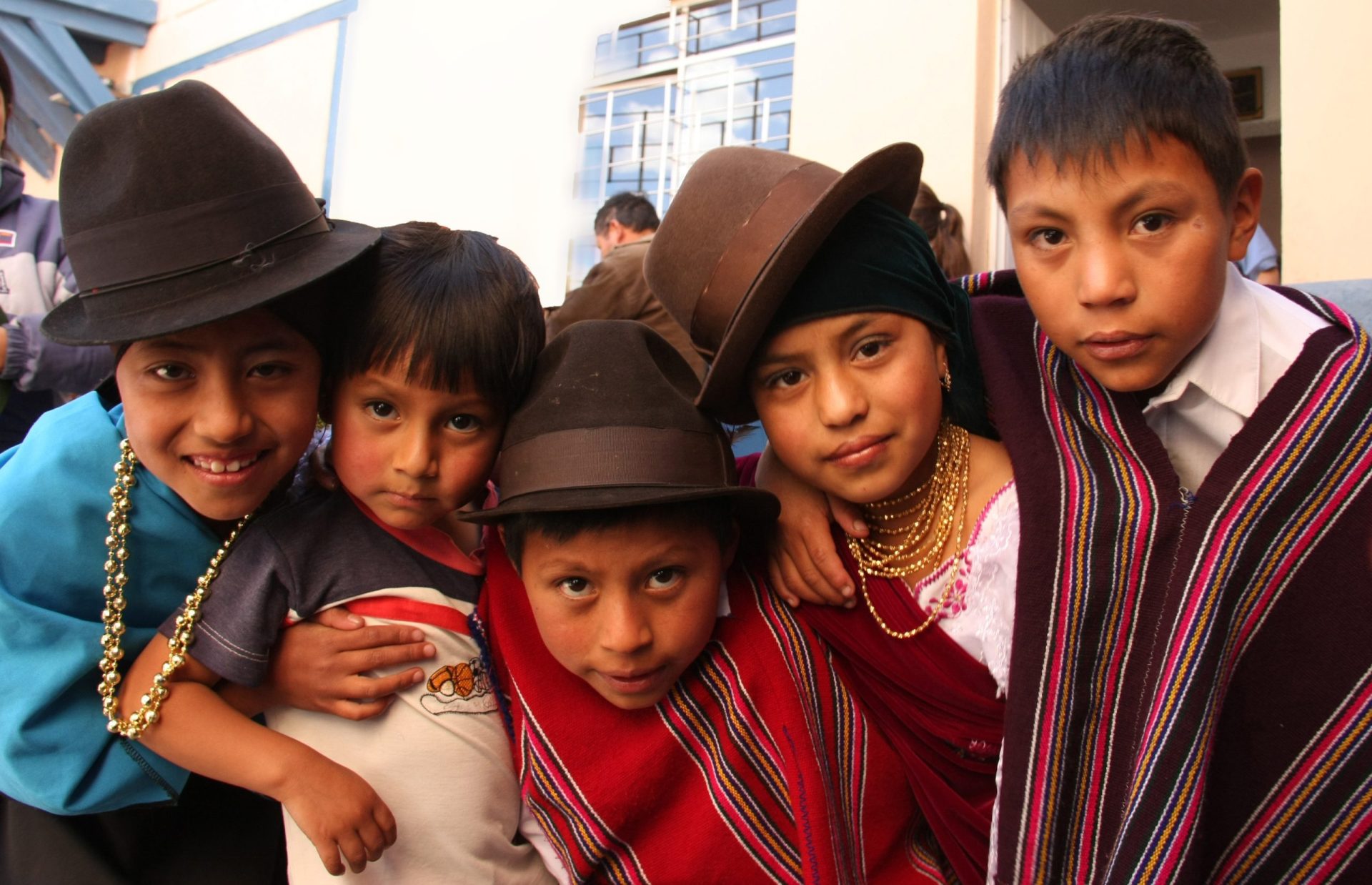
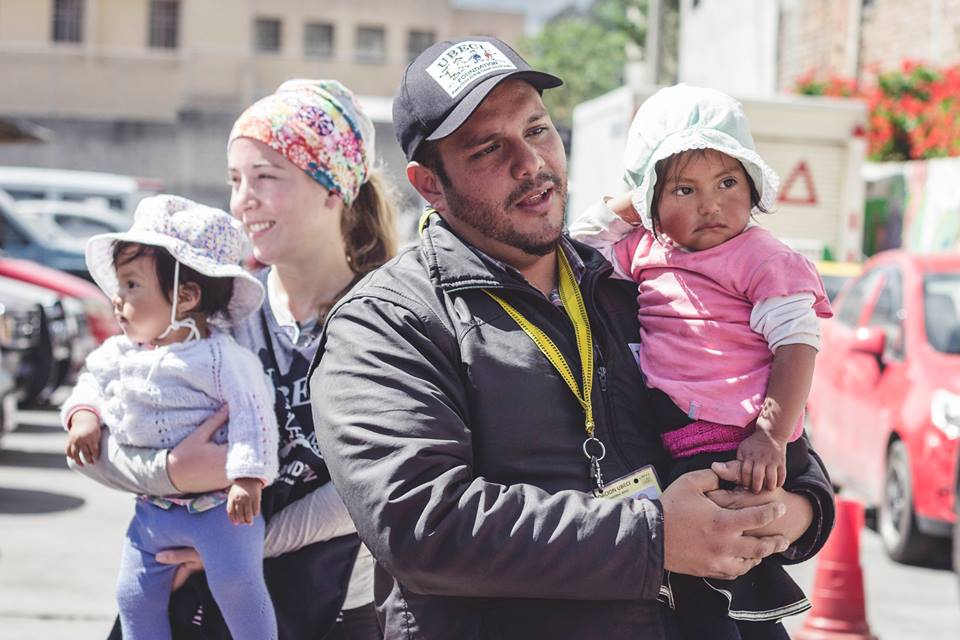
The challenges faced by children in Ecuador
To help the situation, local grassroots organisations have stepped in to help the most vulnerable in society as they battle to survive daily. Our partner organisations are at the forefront, helping families and their children in south Quito to overcome these challenges and have a brighter future.
By working alongside local communities, rather than imposing solutions from outside, these organisations have built deep trust and achieved lasting impact that government programmes alone cannot.
How many people are living in poverty in Ecuador?
Statistics from 2023 showed that 25% of the population was living in poverty and 9% were living on US$3.65 a day.
Indigenous communities are more likely to experience higher rates of poverty due to limited access to education, higher illiteracy rates, economic marginalisation, discrimination, social exclusion, health disparities, and cultural barriers.
How does this impact the families our partner organisations support?
Our partner organisations work in some of the poorest neighbourhoods in south Quito. The population here is mostly indigenous families, who moved to the city from rural areas in search of work. Once there, they find limited opportunities and mostly work in the informal sector in the surrounding markets. They make the most of what they can as street vendors, for example, looking for litter they can sell, or shelling vegetables.
As a result, the families are living on very low wages and are forced to take their children to work to help increase the family income. Alcoholism and abuse (substance, sexual, physical and mental) are prevalent across the communities leading to concerns about the welfare of many of these people, but particularly the children.
Although attitudes are changing, many families still prioritise work over education because of the added expense and loss of income. For a family that must watch every penny to survive, sacrificing part of their annual income for education is often an impossible ask.
What difficulties do the working children face?
Working in the markets, the children endure difficulties no child should have to experience.
Every day, they can experience any of these things:
Because working children and youths spend most of their time on the streets and markets, they are more exposed to sexual and physical assault. They face gang pressure, temptation to steal, prostitution, drug addiction, and health problems (scabies and lice, malnutrition, parasites, sleep deprivation, and environmental stress).
Many working children and young people don't get the mental stimulation they need to reach the same level of mental development as their non-working peers. Many children perform such mundane, repetitive tasks (peeling potatoes, for example) that they risk not even developing proper motor skills.
Physical, sexual and emotional abuse are common in indigenous families. The high number of alcoholics compounds these problems, leading to serious welfare concerns for the children involved.
Children are often malnourished as many indigenous families don't earn enough to feed them enough. They also lack hygiene skills such as cleaning faces, hands and teeth, contributing to illnesses and dental problems.
Children who work often face discrimination from peers and society, affecting their self-esteem and social integration. This stigma makes it harder to access mainstream education and build the social networks needed to break the cycle of poverty.
Many children of indigenous families aren’t registered, so they slip under the radar of government services, preventing access to basic services like healthcare, social support, and legal protection.
Taken together, these threats put the childhood, dignity and future of thousands of children in Ecuador at risk — and they are why the work of our partner organisations matters so deeply
How ViaNiños is helping
Education & Learning
Funding specialist schools, scholarships, and learning resources so working children can access quality education and build a brighter future.
Health & Wellbeing
Supplying vital medicines to partner clinics, funding social workers and psychologists to support children’s mental and physical health.
Community Support
Funding outreach programmes, market playgrounds, and family guidance services that strengthen communities and keep children safe.
You can help change this
Every donation, however small, goes directly to the children and families who need it most. Join us in breaking the cycle of poverty through education.